(Image source from: Ndtv.com)
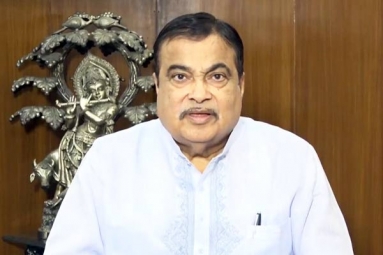
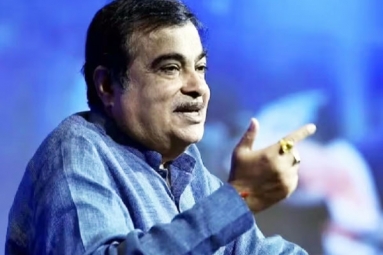
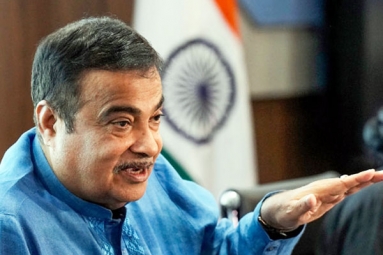
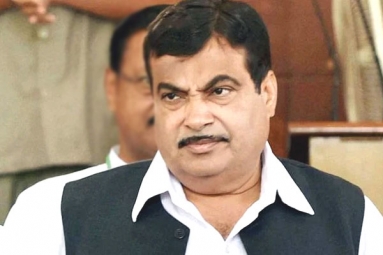
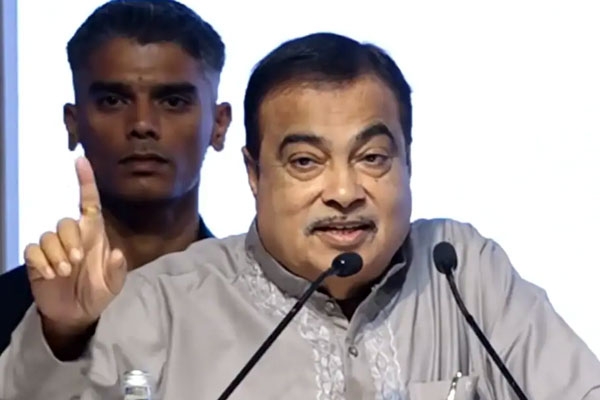
The Minister of Road Transport and Highways, Nitin Gadkari, stated on Tuesday that vehicles that run on fossil fuels like petrol and diesel don’t have a long-term future. His words support the shift towards alternative fuels, as he encouraged the car industry to move towards cleaner energy sources. He also pointed out that this change will help enhance the public transportation system. In his main address at the Busworld India Conclave 2025, Nitin Gadkari declared, "There is no future for diesel and petrol vehicles. " He stressed the importance of manufacturers switching to cleaner fuel options such as biofuels, CNG, LNG, and electric power sources. Gadkari noted that petrol and diesel cause "serious issues" regarding imports and harm to the environment. The union minister shared that the government has already started initial projects for hydrogen mobility. Major Indian firms like Tata Motors, Volvo, Ashok Leyland, and Mahindra & Mahindra are participating in hydrogen fuel experiments.
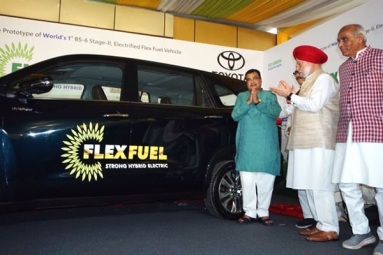
"We currently operate hydrogen trucks and buses on 10 routes. Hydrogen is the fuel of the future," he stated. Returning to the topic of flex-fuel, the minister highlighted the significance of ethanol as a key alternative fuel, mentioning that India can produce ethanol from various raw materials. He also disclosed that the industry is already developing flex fuel engines, while vehicles continue to run on E20 fuel. Shifting the topic to alternative fuel concerns, Gadkari also spoke about the safety issues related to public transportation. He reiterated the government’s aim to enhance safety standards. During his speech, he mentioned that bus registrations must now be submitted on the Vahan portal along with physical and video proof. This replaces the previous self-certification process for bus manufacturers. He urged all bus body makers and original equipment manufacturers (OEMs) to prioritize quality, safety, and comfort rather than just cutting costs. The need for electric buses is expected to reach 150,000 units over the next three years, while the current production capacity sits at around 70,000 buses annually.