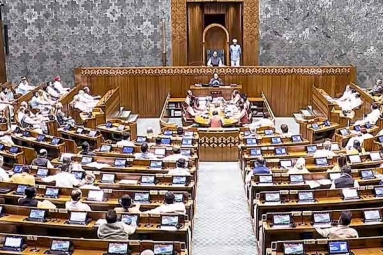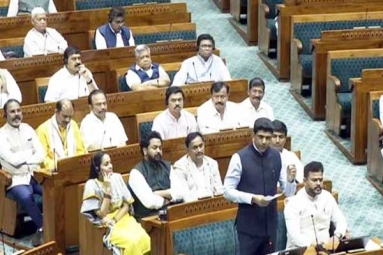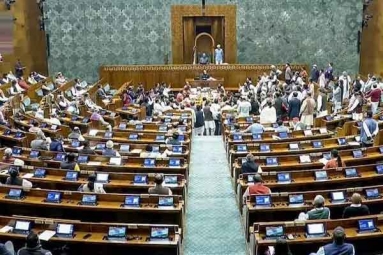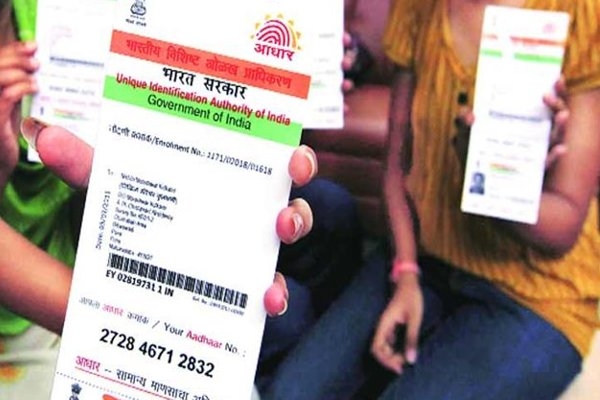
The Aadhaar bill 2016 seeks to give legal sanction to the unique identification number program or Aadhaar as a single window to distribute subsidy and other direct benefit transfers. The Aadhaar Bill 2016 was passed as a money bill by the Lok Sabha, where the BJP-led government has a big majority.
Once a Money Bill is passed by the Lok Sabha, the Rajya Sabha or Upper House can only discuss it and not make amendments. It also has to discuss the bill immediately as a money bill, if not discussed within 14 days of being tabled in the Rajya Sabha, it is "deemed passed".
"If the Congress party wants copyright on this bill, am willing to give it to them. But do not delay the bill," said Finance Minister Arun Jaitley speaking on the Bill in the Lok Sabha.
"Focus is primarily on the usage of money belonging to Consolidated Fund of India belonging to either the Centre or states," he said as he pushed for its passage.
“The Rajya Sabha will be severely impaired if the government decides to adopt the money bill route for the Aadhaar Bill," the Congress's Ghulam Nabi Azad said. "It will be the first step towards making the Rajya Sabha redundant in the days to come," he added.
Jaitley said discussion on the institution of Aadhar has been going on for over seven years after the then UPA government approved a bill in September, 2010 and introduced it in Parliament in December. "Entire discussion in seven years has now culminated," he said.
Targeted subsidy through Aadhar cards of LPG consumers had resulted in over Rs 15000 crore of savings at the Centre. Four states which had started PDS delivery by a similar exercise on a pilot basis, had saved more than Rs 2300 crore.
By Premji