Amnesty International said that there is ‘Growing intolerance’ in India
February 24, 2016 15:17
(Image source from: Amnesty International said that there is ‘Growing intolerance’ in India})
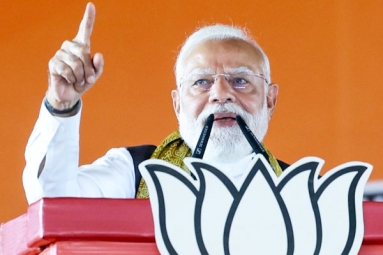
Amnesty International said that authorities in India failed to “prevent many incidents of religious violence” and sometimes “contributed to tensions through polarising speeches”, as it condemned growing intolerance in the country in its annual report. “Scores of artists, writers and scientists returned national honours in protest against what they said was a climate of growing intolerance,” the report said in reference to India.
“Authorities clamped down on civil society organisations critical of official policies, and increased restrictions on foreign funding. Religious tensions intensified, and gender and caste-based discrimination and violence remained pervasive. Censorship and attacks on freedom of expression by hardline Hindu groups grew,” it added.
Aakar Patel, Executive Director of Amnesty India, said, “In 2015, India saw several backslides on human rights. The government intensified restrictions on civil society organizations.”
“What is heartening is that there has been opposition to the erosion of rights. The widespread outrage around incidents of religious intolerance, a Supreme Court ruling striking down an oppressive law on free speech online, the many public protests against ill-conceived reforms to land acquisition laws – these offer hope that 2016 can be a better year for human rights in India.”
“There was some progress when the lower house of Parliament passed an amendment to the Scheduled Castes and the Scheduled Tribes(Prevention of Atrocities) Act, recognising new offences and requiring that special courts be established to try them, and stipulating that victims and witnesses receive protection,” it said.
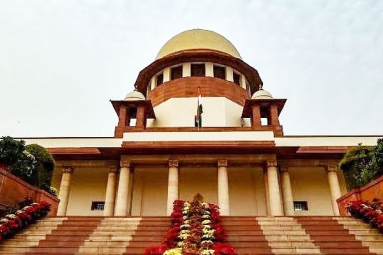
“In a positive move, the Supreme Court directed states to install closed-circuit television in all prisons to prevent torture and other violations, while the government stated it was considering amending the Penal Code to specifically recognise torture as a crime,” it noted.
In another positive development, the report lauded a historic peace framework agreement reached in the Northeastern India between the government and the “influential armed group National Socialist Council of Nagaland (Isak-Muivah faction)”.
By Premji