(Image source from: Ndtv.com)
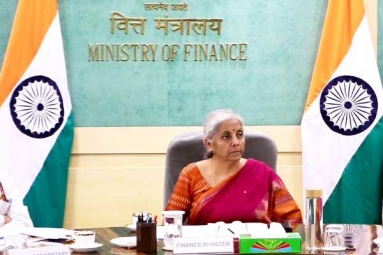
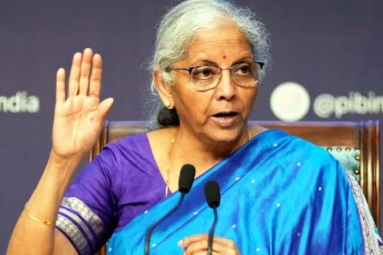
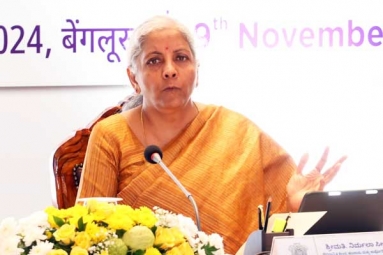
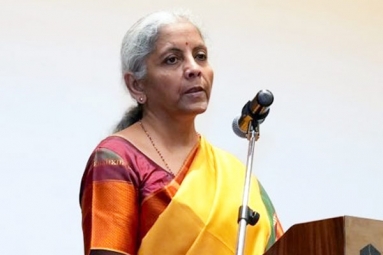
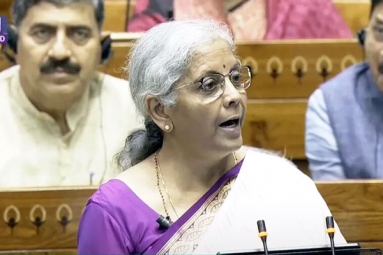
"Prices for fertilizers have reached unbelievable heights," stated Union Finance Minister Nirmala Sitharaman on Monday. She cautioned that India needs to monitor the "three Fs"—fuel, fertilizer, and foreign exchange—especially as the US-Iran conflict shakes global markets and raises expenses within the country. Speaking at the 37th anniversary celebration of the Small Industries Development Bank of India in Mumbai, her comments came during another increase in fuel prices. For the fourth time in under two weeks, petrol and diesel costs went up on Monday. In the past 11 days, the price of petrol has gone up by Rs 7.38 per liter.
The steep increase in fuel prices is due to disruptions at the Strait of Hormuz, an essential pathway for oil supplies. Since India relies on external sources for nearly 85-90 percent of its crude oil needs, it has been heavily impacted by the rise in crude oil costs. Given this situation, Sitharaman emphasized that Prime Minister Narendra Modi's recent call to save foreign exchange reserves has become "very significant. " "It is important to concentrate on the three Fs—fuel, fertilizer, and foreign exchange," the finance minister mentioned, adding that escalating crude oil prices are just one aspect of the problem.
In addition to fuel, she noted that fertilizer costs have risen to "unimaginable" levels, while increasing gold prices present "some challenges" for India on the international stage. Her statements come shortly after PM Modi encouraged citizens and businesses to relieve the strain on India's foreign exchange reserves. The Prime Minister asked for the avoidance of unnecessary imports, a reduction in avoidable foreign exchange spending, delays in optional foreign travel, and even a pause on gold purchases for a year. This concern has valid reasons. A prolonged increase in crude oil prices could widen India's current account deficit, weaken the rupee, and elevate imported inflation further. The rupee recently fell close to the 97-per-dollar mark before bouncing back slightly. Sitharaman stated that the consequences of the Middle East crisis go beyond just political matters. "The crisis in the Middle East is not solely a diplomatic or geopolitical concern," she explained. "For businesses and ordinary people, it can lead to higher fuel expenses, delayed shipments, increased shipping costs, shortages of materials, pressure on working capital, and uncertainty in export orders. "
"Just think about all of these factors coming together," she added. Even while recognizing the tough situations, the finance minister consistently resisted what she described as an overstated story of economic failure. "India's local economic condition is still looking good and strong today," Sitharaman stated. Without specifying anyone, she criticized those who, in her view, were depicting the situation as if it were all "falling apart". "Some Indians are quick to dismiss the successes of our own citizens," she mentioned. "All the positive efforts of the everyday people tend to be overlooked. Instead, a gloomy and negative story is created, which is incorrect. " "India cannot be driven by fear. We must build trust among our citizens with our language and actions," she added.
Sitharaman also supported the government's approach to dealing with rising fuel costs, explaining that the administration had already faced a significant loss in revenue to protect consumers from an even bigger increase. "The government is projected to lose over Rs 1 lakh crore," she indicated, referring to the tax cuts on petrol and diesel. The minister also highlighted difficulties in the MSME sector, noting that overdue payments totaling Rs 8.1 lakh crore were impacting working capital and hampering growth. She called on public sector companies to make sure payments to MSMEs are made within the required 45 days. Meanwhile, Sitharaman contended that India's overall economic indicators still remain robust despite global challenges. She pointed to increasing GST collections, ongoing domestic demand, and growing private sector investment as evidence that the economy continues to remain steady even as external pressures mount.